
Refrigerator Making Noise? What Different Fridge Sounds Actually Mean
Refrigerator making noise? Learn what buzzing, rattling, grinding, and clicking sounds mean—and when to call a professional refrigerator repair technician in San Diego.
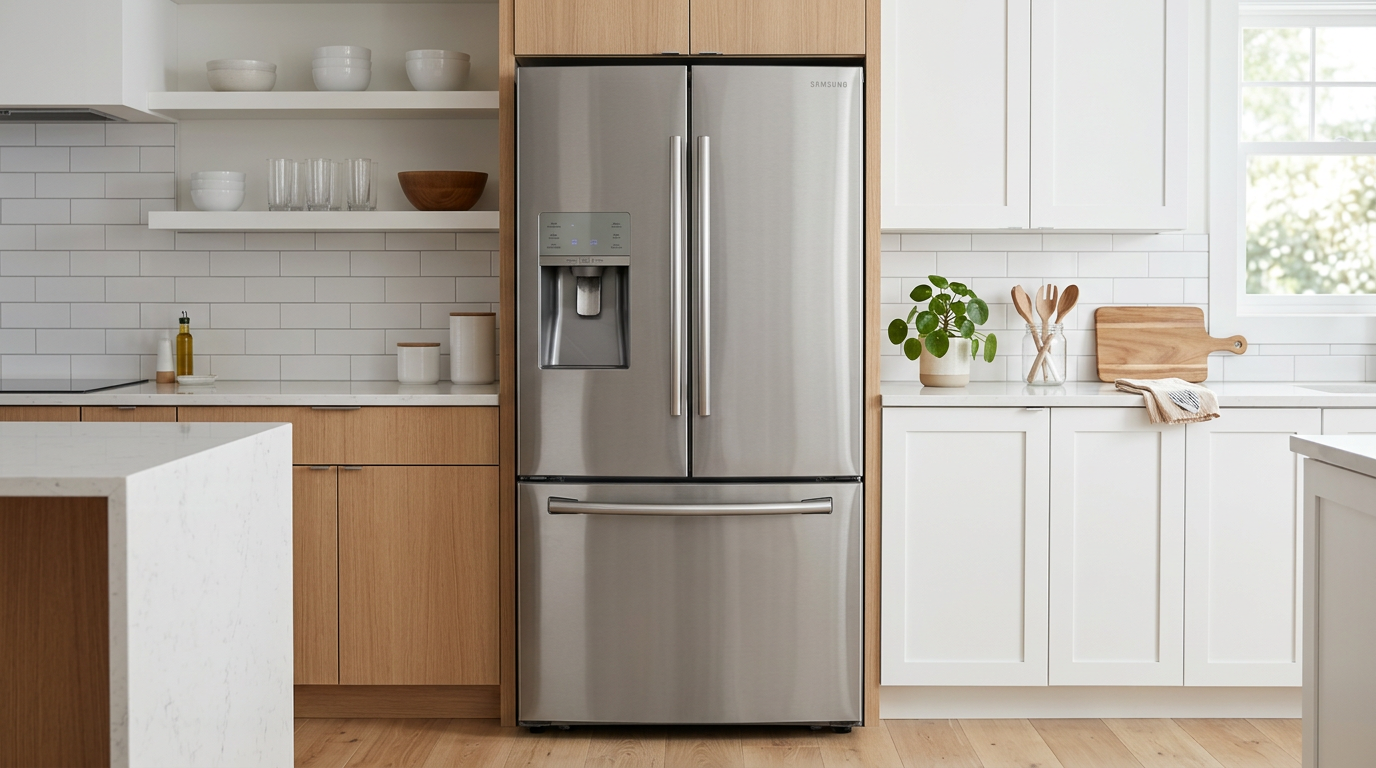
If your refrigerator is making noise, it can be concerning—especially if the sound suddenly becomes louder than usual. Refrigerators normally produce some noise during operation, but unusual sounds often indicate that a component inside the appliance may be struggling.
Homeowners frequently search for answers like: refrigerator making loud noise, fridge making buzzing noise, refrigerator humming loudly, fridge making rattling sound, refrigerator repair near me.
Understanding what different refrigerator sounds mean can help determine whether the noise is normal or a sign that your refrigerator needs repair.
1 Normal Refrigerator Sounds
Modern refrigerators include several moving components, so some noise is completely normal.
You may hear:
- Light humming from the compressor
- Clicking when the compressor starts or stops
- Soft fan noise circulating cold air
- Occasional cracking sounds during defrost cycles
These sounds are part of the normal refrigeration process. However, loud or unusual noises usually indicate a developing issue.
2 What Different Refrigerator Sounds Mean
1 Loud Buzzing or Humming Noise
A refrigerator that produces a loud buzzing sound often indicates that the compressor or condenser fan is working harder than normal. This can happen when the refrigerator struggles to remove heat from the system.
Possible situations include:
- • Blocked airflow around the refrigerator
- • Dust buildup on condenser coils
- • Heavy load inside the refrigerator
If the buzzing sound continues to increase, professional inspection may be necessary.
2 Rattling or Vibrating Sounds
Rattling noises are often caused by loose components or vibration.
Common sources include:
- • Refrigerator touching the wall or cabinets
- • Loose drain pan under the unit
- • Items placed on top of the refrigerator vibrating
Sometimes simply adjusting the refrigerator's position can eliminate the noise.
3 Loud Fan Noise from Inside the Refrigerator
Fans play an important role in circulating cold air through the refrigerator and freezer compartments. If the fan becomes obstructed or begins to wear out, it may produce loud whirring noises, scraping sounds, or inconsistent fan speed. Fan noise may become louder when frost buildup interferes with airflow.
4 Clicking Sounds That Repeat Frequently
Refrigerators normally produce a click when the compressor starts. However, repeated clicking sounds can indicate that the compressor is attempting to start but failing.
This can occur when:
- • Electrical components become worn
- • The compressor struggles to start
- • Internal protection systems repeatedly shut it down
Repeated clicking should be inspected to prevent compressor damage.
5 Grinding or Scraping Sounds
Grinding noises are usually not normal. They often occur when moving components begin to wear out.
Possible causes include:
- • Fan blade obstruction
- • Motor bearing wear
- • Ice buildup contacting moving parts
These issues usually become louder over time.
6 Gurgling or Bubbling Sounds
Some refrigerator sounds come from the movement of refrigerant inside the system. Gurgling or bubbling noises are usually normal and occur when refrigerant flows through the cooling system. These sounds may be more noticeable during cooling cycles.
3 When Refrigerator Noise Becomes a Warning Sign
Refrigerator sounds should remain relatively consistent over time. Sudden changes in sound often indicate a developing mechanical issue.
Warning signs include:
- Noise becoming significantly louder
- New sounds that did not exist before
- Refrigerator running constantly with loud humming
- Cooling performance decreasing
Addressing these symptoms early can prevent more serious failures.
4 What Homeowners Can Check First
Before calling refrigerator repair, try these simple checks:
Ensure Proper Spacing
Refrigerators need space around them for airflow.
Check Condenser Coils
Dust buildup can increase noise and reduce efficiency.
Make Sure the Refrigerator Is Level
An uneven appliance may vibrate during operation.
Inspect Items Around the Refrigerator
Objects touching the refrigerator may cause rattling.
5 When to Call Refrigerator Repair in San Diego
Professional refrigerator repair may be needed if:
- Refrigerator making loud buzzing noise
- Grinding or scraping sounds appear
- Refrigerator clicking repeatedly
- Cooling performance drops
- Refrigerator running constantly
Ignoring unusual refrigerator sounds can eventually lead to major component failure.
6 Refrigerator Repair in San Diego
Constant Appliance Service provides same-day refrigerator repair in San Diego for all major brands including:
Our technicians diagnose refrigerator noise problems quickly and restore normal operation.
Related Services
Frequently Asked Questions
Is it normal for a refrigerator to make noise?
Why is my refrigerator suddenly louder?
Why is my fridge making a buzzing sound?
Should I turn off a noisy refrigerator?
Need Appliance Repair Today?
Call us now for same-day service. Our expert technicians are ready to help!